How Tactical Changes at Leicester City Affect Match Betting Markets
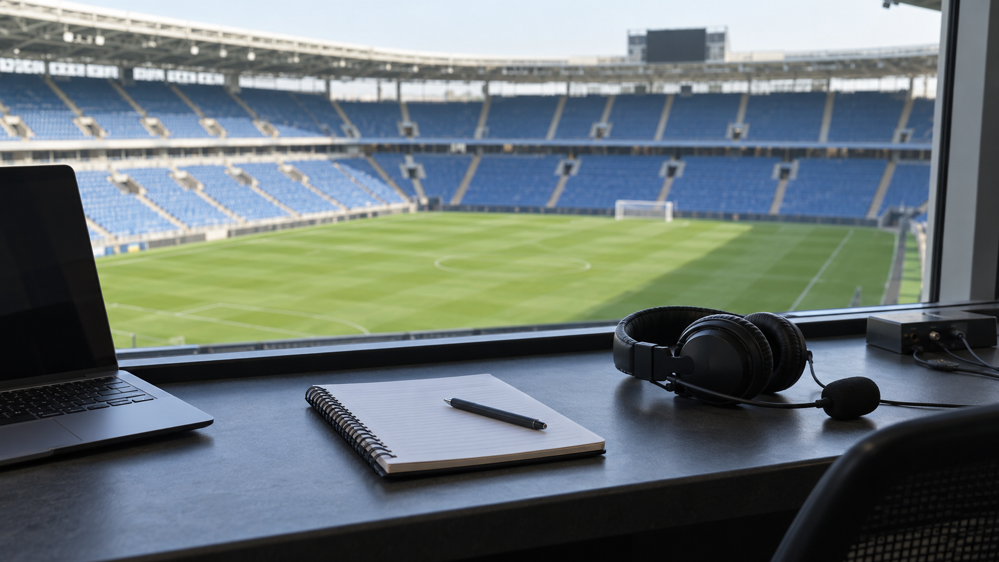
A change in Leicester City's shape can alter the questions a match preview needs to answer. Pushing a full-back forward might create more crossing opportunities, while leaving space for an opponent to counter. Adding a second striker might increase penalty-area occupation without improving the passes into it. Those details matter when assessing goals, corners and match-result markets.
For Foxes supporters, the useful starting point is what Leicester are trying to do with and without the ball. This is a framework for reading tactical changes, rather than a prediction about a particular fixture or starting XI.
Look beyond the formation graphic
A team sheet showing one striker does not tell you how many Leicester players will attack the box. A winger can move inside, a midfielder can arrive late and a full-back can provide the width. Equally, naming two forwards does not establish how often either will receive the ball in a dangerous position.
For a goals market, trace the route to a chance. If Leicester move an extra player into the front line, ask who will connect midfield to attack. If that change removes a passing option behind the forwards, the extra presence in the box may come with less reliable service.
An opponent's response matters too. A defender following a Leicester winger infield may open a lane outside. A defence that passes the winger between markers may keep that lane closed. The same Leicester adjustment can therefore produce different patterns against different teams.
Pressing changes the picture at both ends
If Leicester push their press higher, watch whether the midfield and defence move with it. Recovering possession near the opposition penalty area can shorten the route to a shot. A press that is played through can instead leave space behind the first line of pressure. Both possibilities belong in the assessment of a total-goals market.
A spell of pressure can also make a goal feel inevitable. Imagine Leicester winning three corners in quick succession without scoring. One supporter sees a breakthrough coming, while another sees three opportunities wasted. Before using that sequence to assess the next-goal market, ask what produced it. Were defenders scrambling to block cutbacks, or comfortably heading away crosses? The corner count alone cannot distinguish those situations.
The temptation to read a sequence as a signal extends beyond football. Someone following recent results in real-money gaming faces a similar question: does what just happened change what can happen next? Among real money online casino games, standard roulette provides a clear example of independent rounds. A run of one colour does not make the other colour due on the next spin. The sequence can attract attention without supplying new information about the next result.
Leicester's attacks need a different reading because the players respond to one another. Repeated chances might reveal an overload the opposition has yet to solve. Alternatively, an opponent may adjust its marking and close that route. The reason to expect another chance is the space Leicester can still exploit, rather than a belief that earlier misses must be followed by a goal. That is where tactical observation adds something the sequence of results cannot.
Keep Leicester's attacking threat separate from their prospects of winning. A change that produces more chances at both ends may strengthen an argument about total goals without supporting the same conclusion about the match result.
Width matters differently for corners and goals
When Leicester attack down the flanks, look at how moves finish. Crosses blocked behind can contribute to a corner count. Crosses caught by the goalkeeper cannot. Possession near the touchline is therefore less informative than the defender's position and the quality of Leicester's delivery.
The IFAB corner-kick law explains the familiar restart when the ball crosses the goal line after touching a defender and no goal is scored. For match analysis, the practical point is that an attacking passage needs a particular ending to add a corner. Sustained pressure and corner totals measure different things.
Account for the score before judging the change
Leicester chasing an equaliser may commit players forward for reasons that do not apply when protecting a lead. Compare similar match situations before treating that attacking shape as the team's default approach. A late substitution also has less time to influence a market than the same adjustment made at half-time.
Supporters writing their own previews, including those starting a Leicester City football blog, can make the analysis clearer by recording the change, its intended effect and the market it concerns. Then compare that view with the current price. A tactical observation becomes useful when it explains a specific expectation about Leicester's next match, rather than simply labelling the team more attacking.


More Leicester City blogs




 Almere City
 Athletic Club
 Bayer 04 Leverkusen
 Bordeaux
 Anderlecht
 Formula 1 News
Leicester-city-news.com
Visit Leicester-city-news.com for your daily news, standings, statistics and more about Leicester City from Leicester. Stay up to date with the latest Leicester City transfers and view the live scores during Leicester City games.